
The Smart Saver’s Guide: Why Donating to Goodwill Before December 31 Could Boost Your 2026 Tax Return
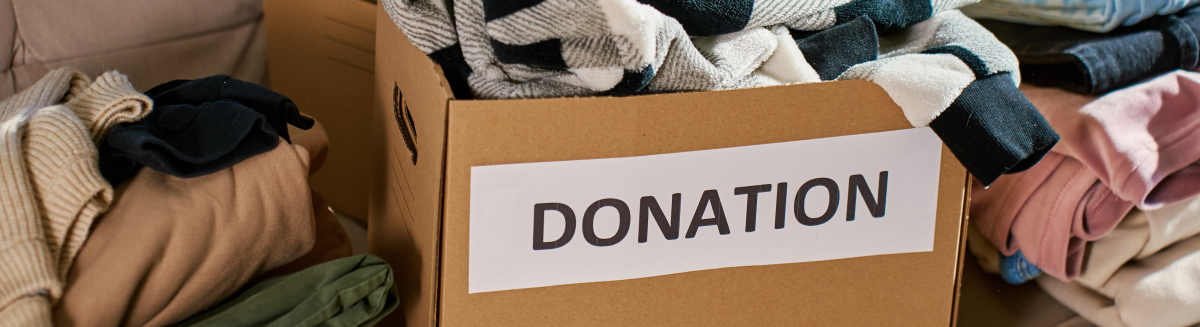
As the year draws to a close, many of us take time to reflect, reset, and reorganize. That often includes cleaning out closets, refreshing wardrobes, and preparing our homes for a fresh start in January. But did you know that donating your gently used clothing to Goodwill before December 31 doesn’t just create space—it can also help you maximize potential tax benefits for 2026?
Here’s why year-end giving is such a smart move and how to make the most of your donation.
Why Donate Before December 31?
When you donate to a nonprofit organization like Goodwill of Southern New England, your contribution may qualify as a charitable tax deduction for the upcoming tax season. That means items you drop off by December 31, 2025, could potentially reduce your taxable income when you file for the 2026 tax year.
If you’re already planning a winter closet clean-out, doing it now instead of later could literally pay off.
What You Can Donate
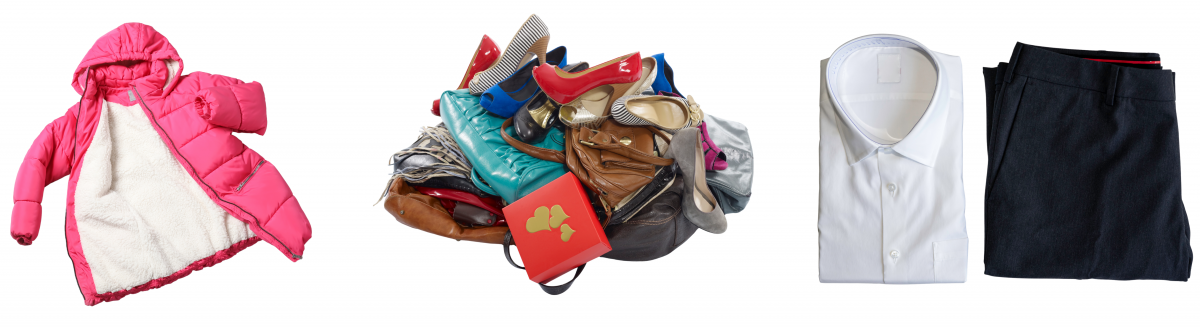
Goodwill accepts a wide range of gently used items, but clothing remains one of the easiest, most impactful things to give—especially during the colder months when the community’s need is greatest. Consider donating:
- Winter jackets, coats, and boots
- Sweaters and layered clothing
- Professional wear
- Kids’ clothing
- Accessories like scarves, hats, and gloves
- Shoes, bags, and more
Each donation helps stock Goodwill’s retail stores, which in turn support programs that provide job training, employment services, and opportunities for people right here in Southern New England.
How to Maximize Your Tax Deduction
A few simple steps can help you get the greatest benefit from your donation:
1. Request a Donation Receipt
Whenever you donate to Goodwill, ask for a receipt at drop-off. This serves as your record for tax purposes.
2. Keep a List of What You Donated
Make notes on the types of items you donated (e.g., “3 women’s sweaters, 1 pair of boots”). This helps with estimating fair market value later.
3. Determine Fair Market Value
The IRS requires that items be valued at their “fair market value,” or what someone might reasonably pay for them. Goodwill provides general valuation guidelines to help you.
4. Only Deduct Items in Good Condition
The IRS only allows deductions for items in “good used condition or better.” If something is beyond repair, it’s best to recycle or responsibly dispose of it.
It’s More Than a Tax Benefit — It’s an Impact
While saving money at tax time is a great perk, the real impact of your donation goes far deeper. Your clothing donations:
- Support local job seekers through training and employment opportunities
- Help reduce waste by giving clothing a new life
- Provide affordable shopping options for local families
Every bag you donate supports Goodwill’s mission and strengthens the community.
Make Your Year-End Donation Today
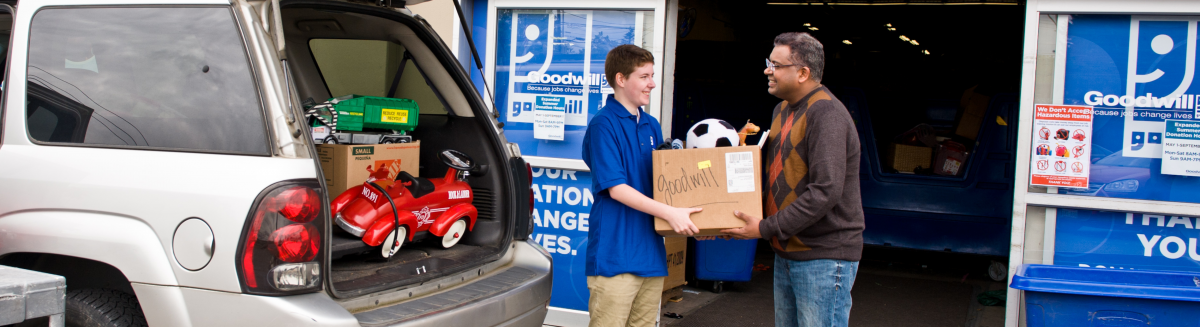
With the year coming to an end, now is the perfect time to declutter your home, maximize your potential tax savings, and make a meaningful difference in the lives of others. Gather your gently used items and drop them off at your nearest Goodwill of Southern New England donation center before December 31.
Prefer a simpler, receipt-ready form of giving? A tax-deductible monetary gift to Goodwill SNE also qualifies when made by December 31. Every dollar directly fuels our mission.